Published
- 2 min read
Nombu Kanji
nombu kanji iftar porridge rice Ramadan savory
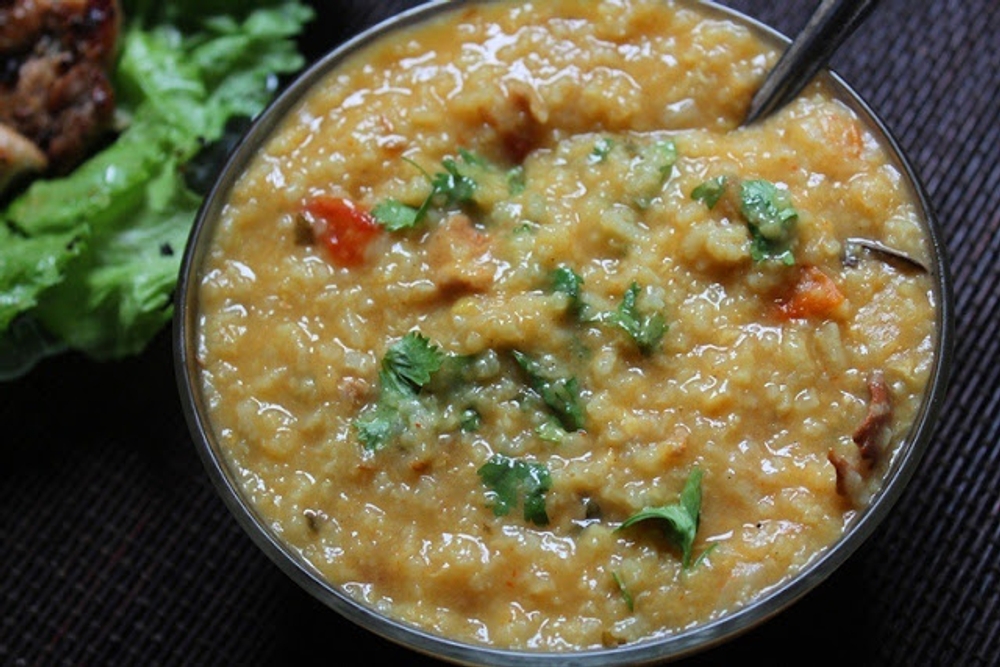
Nombu Kanji is a traditional South Indian, nourishing porridge made during Ramadan to break the fast. Slow-cooked with rice, lentils, meat, coconut, and aromatic spices, this dish is light, comforting, and full of flavor—perfect to soothe the stomach after a long day of fasting.
Info
- Prep Time: 15 minutes
- Cooking Time: 45–50 minutes
- Servings: 4–5 people
Ingredients
- Cooking oil – 1 tablespoon
- Ghee – 1 tablespoon (plus extra for finishing)
- Whole garam masala – 1 small mix (cinnamon, cardamom, cloves)
- Fenugreek seeds – 1/2 teaspoon
- Garlic cloves – 5 pods, crushed
- Shallots – 5 pods, sliced
- Onion – 1 large, thinly sliced
- Tomato – 1 medium, chopped
- Green chilies – 3, slit
- Mint leaves – a handful
- Coriander leaves – a handful (plus extra for garnish)
- Ginger-garlic paste – 1 tablespoon
- Mutton keema (minced meat) – 100 grams
- Salt – to taste
- Soaked rice – 250 grams
- Moong dal (yellow lentils) – 25 grams, soaked
- Coconut paste – 3 tablespoons
- Water – 5 cups
Procedure
- Heat oil and ghee in a pressure cooker.
- Add whole garam masala, fenugreek seeds, garlic, shallots, sliced onion, tomatoes, green chilies, mint, and coriander leaves. Sauté lightly.
- Add ginger-garlic paste, mutton keema, and salt. Fry until the keema is lightly browned.
- Add soaked rice and moong dal. Fry everything together for 5–10 minutes.
- Pour in 5 cups of water and adjust salt as needed. Bring to a boil.
- Close the pressure cooker lid and cook for 4–5 whistles.
- After releasing the pressure, open the lid and add coconut paste, additional coriander leaves, and a spoonful of ghee.
- Add a little water if needed and bring it to a gentle boil.
- Serve hot, optionally with crispy crackers or papad on the side.
Notes
- You can substitute mutton keema with chicken or make it vegetarian by skipping meat.
- Adjust spice levels to taste by adding more green chilies or ginger.
- This dish is best served fresh and warm.